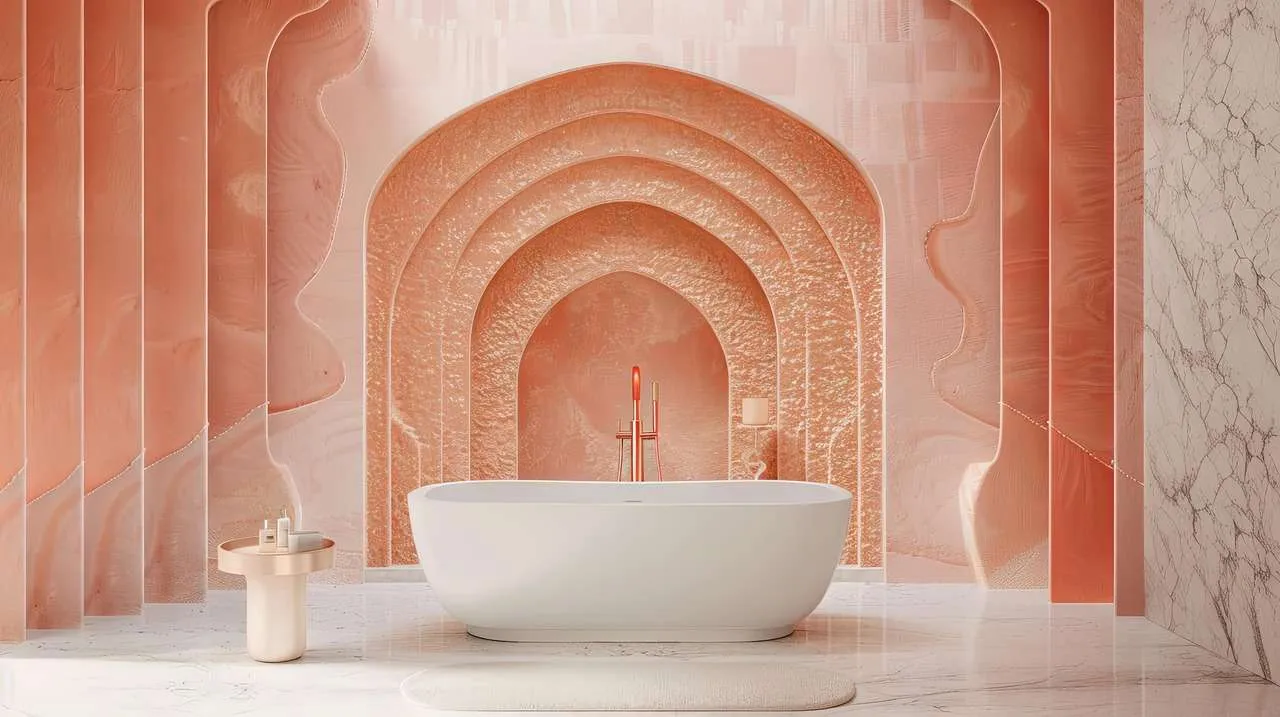
Choosing bathroom tile is more than picking a pretty pattern. It defines durability, safety, maintenance, and the overall feel of your space. This guide explains the key tile types, design strategies, and practical steps to help homeowners and designers select and install bathroom tile that stands up to moisture and daily use while delivering lasting value.
Why Bathroom Tile Matters
Moisture control, slip resistance, cleaning ease, and long term durability all come into play in a bathroom. Ceramic and porcelain offer moisture resistance; natural stone adds warmth but requires sealing and care. Considering room orientation and lighting helps choose color and tile size to create a balanced look.
Materials: Ceramic, Porcelain, Glass and Natural Stone
Ceramic Tile
Affordable and versatile with many patterns and colors. Best for walls and light traffic floors, or in bathrooms with careful sealing on floors in the wet zones.
Porcelain Tile
Dense and highly water resistant, suitable for floors and showers. Available glazed or unglazed; check the material rating for damp environments.
Natural Stone Tile
Travertine, marble and slate offer a premium look. They require regular sealing and maintenance to prevent staining or etching and are best in moisture controlled settings.
Glass and Accent Tiles
Glass and mirror like tiles reflect light and add a modern touch. They are ideal for backsplashes and decorative bands but can require meticulous cleaning to avoid grout staining.
Design and Layout Tips
Tile size and layout influence how large or small a bathroom feels. Large format tiles can visually expand small spaces, while small mosaics add texture. Patterns such as herringbone or vertical stacking create interest. When selecting grout, consider color to either blend with tile or define lines.
- Choose a single dominant tile color and use accent pieces to highlight features
- Coordinate grout with tile for a seamless look or use contrast for definition
- Plan transitions between shower, tub and floor tiles to align grout lines
Installation and Maintenance Essentials
Proper substrate preparation and waterproofing are essential for longevity. Use a cement based thin set on floors and walls and a compatible waterproof membrane in wet zones. For showers, ensure a slope to drain and proper sealing around niches and trims. In terms of care, porcelain and ceramic are low maintenance; natural stone requires sealing; glass tiles need regular cleaning to prevent soap film.
To ensure expert results, consider hiring a licensed tile installer and request a workmanship warranty. For showers, confirm the installation includes a waterproofing membrane and proper slope. Review manufacturer guidelines for tile usage and maintenance to protect long term performance.
Comparison and Cost Guide
Understanding material options helps balance budget, durability and aesthetics. The table below compares common bathroom tile options with typical costs and usage notes.
| Material | Pros | Cons | Ideal Use | Typical Cost Range |
|---|---|---|---|---|
| Ceramic | Affordable; wide patterns; easy to cut | Less durable on floors; can chip | Walls and light traffic floors | $1 - $4 per sq ft |
| Porcelain | Very durable; water resistant | Can be harder to cut; more expensive | Showers and floors | $3 - $10 per sq ft |
| Natural Stone | Unique luxury look; timeless | Porosity; needs sealing; stain risk | Bathrooms with high end design | $6 - $25+ per sq ft |
| Glass | Reflects light; modern; easy to wipe | Grout lines can show soap scum | Accent walls and backsplashes | $7 - $25 per sq ft |
| Textured Stone or Slate | Slip resistance; natural variation | Sealing needed; uneven edges | Showers and floors in rustic schemes | $3 - $12 per sq ft |
Budgeting and Maintenance
Plan for tile costs, substrate prep and waterproofing, plus installation. Allow for waste and future repairs by budgeting 10 to 15 percent extra. Maintenance varies by material: seal stone every 1 to 2 years; clean porcelain and ceramic with pH neutral cleaners to protect grout.
Regular maintenance extends tile life. Re grout worn joints and reseal stone as recommended by the manufacturer.
Conclusion, a thoughtful blend of material choice, layout strategy and proper installation yields a bathroom tile setup that remains beautiful and functional for years. Prioritize moisture resistance, slip safety and easy cleaning to achieve a durable and stylish space that meets both practical needs and design goals.
%20925-8901-9991f1c4c750?q=80&w=2070&auto=format&fit=crop)