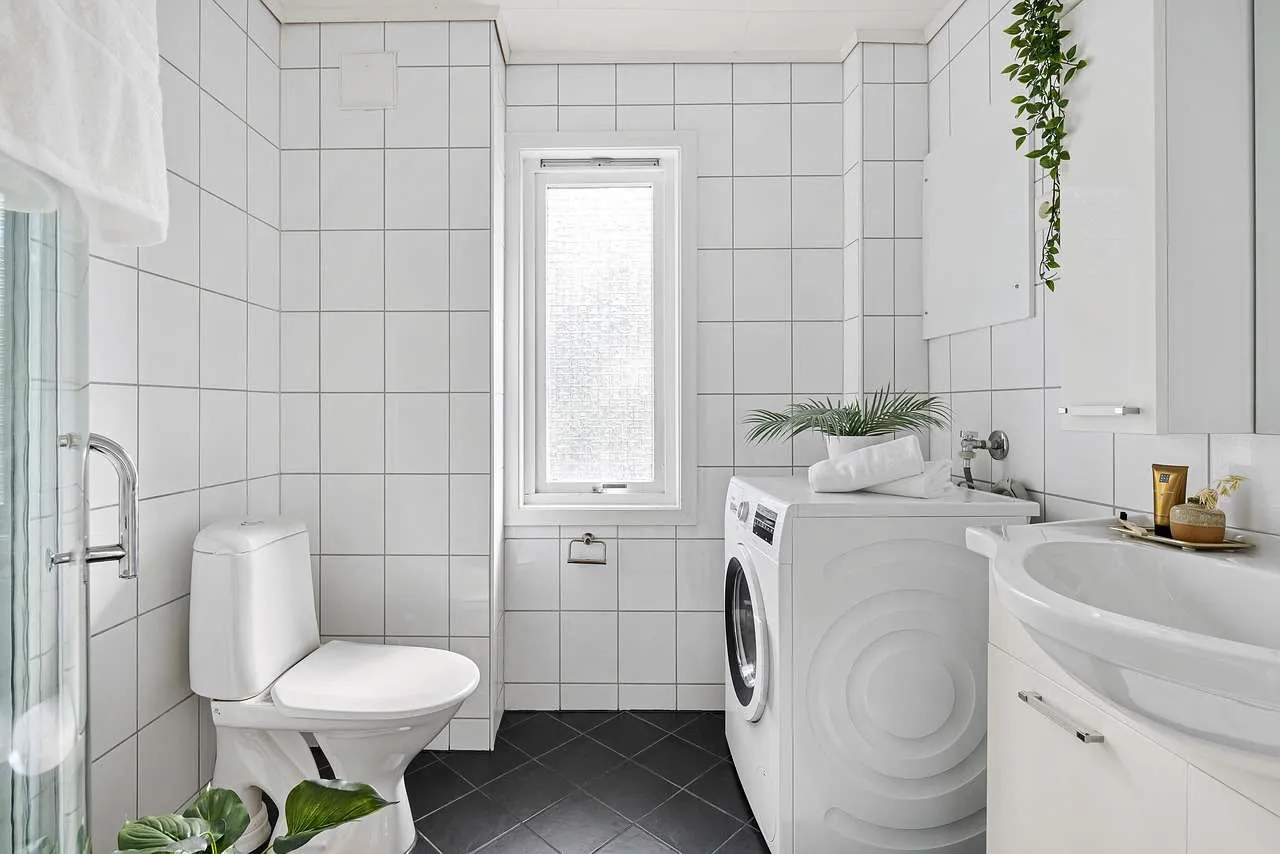
Bathrooms are high-moisture environments where surfaces must withstand water, humidity, and daily use. Bathroom tiles are the workhorse of these rooms, providing protection and style. In this guide, we explore common tile materials, practical selection criteria, layout ideas, and maintenance tips to help you achieve a durable, aesthetically pleasing bathroom.
Common Materials for Bathroom Tiles
Ceramic Tiles
Ceramic tiles are a versatile and budget-friendly option. They are available in glazed and unglazed finishes, come in a wide range of colors and patterns, and are easy to cut for complex layouts. On walls, ceramic tiles resist moisture well and are simple to clean. For floors, glazed ceramic can be less slip-resistant than porcelain unless you choose a textured or matte finish. Typical costs range from $1 to $5 per sq ft, depending on glaze, size, and brand.
Porcelain Tiles
Porcelain is a dense, low-porosity tile that performs exceptionally in wet areas. It resists water absorption and is highly durable, making it suitable for both floors and shower walls. Porcelain tiles come in many sizes, including large-format options that reduce grout lines. Because of production techniques, porcelain can be harder to cut, so professional installation is often recommended. Costs generally range from $2 to $7 per sq ft, with higher-end patterns and textures.
Natural Stone Tiles
Natural stone such as marble, travertine, and slate offers a premium, timeless look. Each tile has unique veining, giving bathrooms a luxurious feel. However, stone requires regular sealing, periodic maintenance, and more careful cleaning to prevent staining. Prices vary widely, from about $5 to $20 per sq ft, plus sealing costs. This material is best when moisture control is excellent and maintenance routines are established.
Glass and Accent Tiles
Glass, metal, and mosaic tiles are popular for backsplashes and shower niches. They add reflective light and visual depth but can be more challenging to maintain because grout lines may show soap scum. Glass tiles often require professional installation due to thin sheets and specialty grouts. Costs can range from $7 to $20 per sq ft or more.
Choosing the Right Tiles for Your Space
Start by evaluating moisture exposure and foot traffic. For shower floors or steam-rich bathrooms, porcelain or glazed ceramic with a textured finish provides slip resistance. For walls, a wide variety of ceramic or glass tiles can deliver style at a lower cost. Consider slip resistance ratings (dynamic coefficient of friction) and water absorption rates when comparing options. Matte finishes tend to hide soil better than high-gloss surfaces, but both require regular cleaning. If you prefer a high-end look with less grout, large-format porcelain or stone-look porcelain can mimic natural stone without heavy upkeep. Additionally, ensure proper substrate preparation and moisture barriers during installation.
Layout, Size, and Style Ideas
Tile size drives perception: large-format tiles (12x24 inches or bigger) create a seamless, modern feel and reduce grout lines, which simplifies maintenance. For small bathrooms, consider light colors and large tiles laid diagonally to elongate the space. Use accent strips or mosaics to add visual interest in niches or shower surrounds. Matching floor and wall tiles can create a cohesive look, while contrasting trims or a bordered band can define zones such as a tub surround or shower alcove. Trends favor wood-look porcelain for warmth and large-format tiles for cleanliness of lines.
Trends in Bathroom Tiles
Recent trends include oversized formats, wood-look porcelain, matte finishes, and bold geometric patterns used as focal points. Designers mix textures and soft, neutral palettes with small decorative tiles to keep bathrooms timeless and easy to clean.
Maintenance and Longevity
Proper maintenance extends tile life. Seal natural stone and grout where appropriate, and choose a grout color that resists staining. Clean with pH-neutral cleaners and avoid harsh acidic products that can damage grout. Regularly dry shower surfaces to minimize mold growth, and re-seal stone every 1-3 years depending on usage. A professional installation ensures proper substrate preparation and correct grouting, which is essential for long-term performance.
Expert Advice for Installation
For best results, hire a licensed tile installer and verify substrate prep, moisture barriers, and proper drainage. Request manufacturer warranties and keep records of sealants and maintenance schedules to protect your investment.
Tile Comparison at a Glance
| Material | Pros | Cons | Typical Cost / sq ft | Maintenance | Best For |
|---|---|---|---|---|---|
| Ceramic | Budget-friendly, wide range, easy to cut | Less durable than porcelain, grout can stain | $1 - $5 | Low to moderate; regular cleaning | Walls and light-traffic floors |
| Porcelain | Durable, low water absorption, versatile | Can be harder to cut; higher cost | $2 - $7 | Low; long-lasting | Floors, showers, heavy-use areas |
| Natural Stone | Premium look; unique veining | Sealing required; more maintenance | $5 - $20 | Medium to high; periodic sealing | Luxury bathrooms and feature walls |
| Glass/Mosaic | Reflective, modern appeal | Grout maintenance; can be slippery when wet | $7 - $20 | Moderate; frequent grout cleaning | Backsplashes and decorative accents |
Summary: By understanding tile materials, installation considerations, and maintenance needs, you can choose bathroom tiles that meet your performance goals and design preferences, ensuring a durable, stylish space for years to come.
%20925-8901-9991f1c4c750?q=80&w=2070&auto=format&fit=crop)