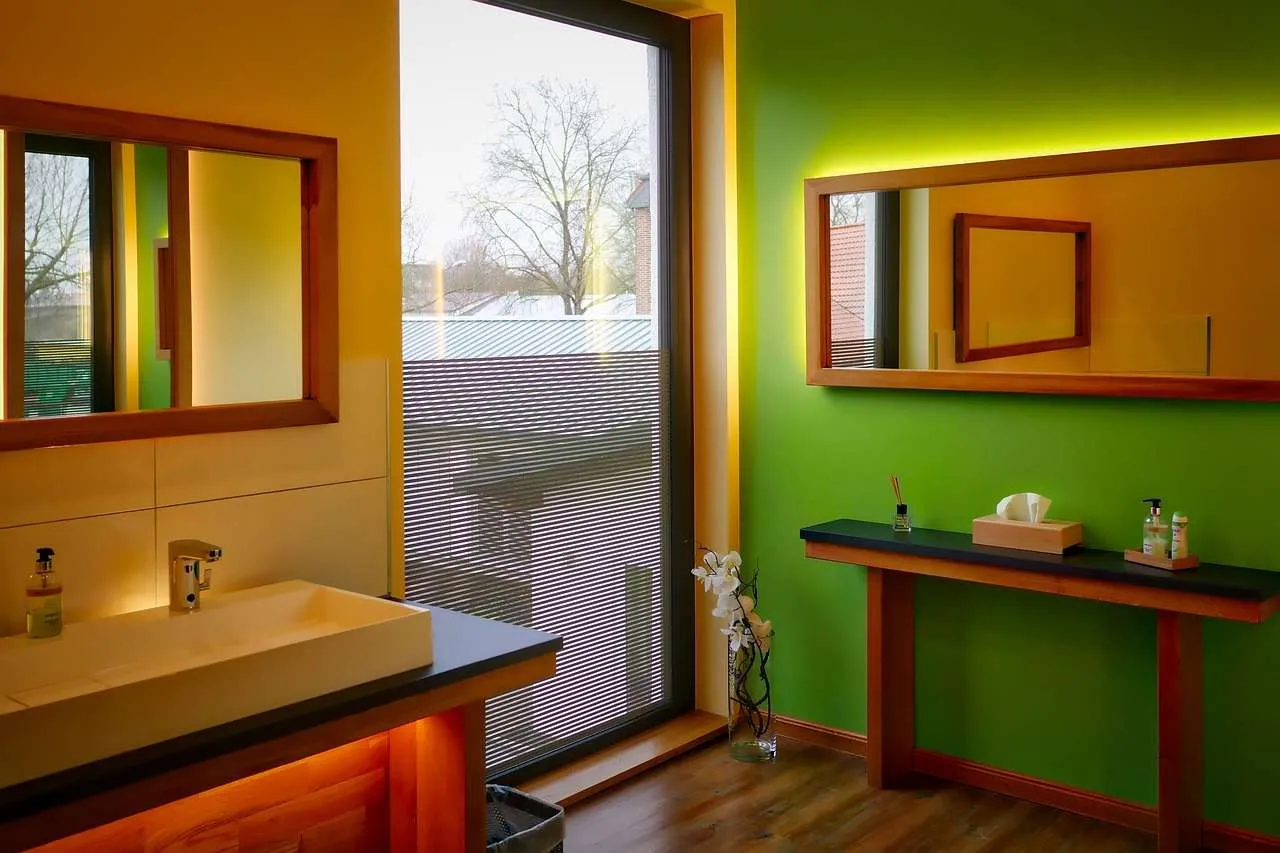
When space is at a premium, small bathroom ideas must combine practicality with style. With more than a decade of experience designing compact baths for urban homes, I know what works and what doesn’t. The goal is to maximize every inch without sacrificing comfort. This guide covers layout strategies, storage systems, finishes, lighting, and budgeting so you can achieve a bathroom that feels larger than it is while remaining durable and easy to maintain.
As a design professional, I emphasize EEAT: expertise from real-world projects, a demonstrated track record with small spaces, and trustworthy guidance that homeowners can implement with confidence. Read on for actionable ideas, product considerations, and a clear path to a successful, long-lasting transformation.
Understanding Small Bathroom Challenges
Small bathrooms present distinct hurdles: limited square footage, tight traffic flow, plumbing constraints, moisture, and the need for easy maintenance. Even a few design missteps—like busy patterns, dark colors, or bulky fixtures—can make the room feel cramped. The key is to balance function with a calm, cohesive aesthetic. Begin by mapping the space: note the door swing, the location of the toilet and the sink, window exposure, and any vertical opportunities for storage. This clarity helps you prioritize fixtures and keep sightlines open, which is essential for a room that must feel larger without enlarging the footprint.
Space-Saving Layouts for Small Bathrooms
Efficient layouts can dramatically alter how a small bathroom feels and functions. The following strategies maximize usable area while maintaining comfort and accessibility.
Corner Showers
Replacing a full tub with a corner or quadrant shower creates generous visual space and easier movement. A clear glass enclosure minimizes visual barriers, making the room feel airier. If you prefer a tub, consider a slimline shower-tub combo that fits the footprint but still offers a comfortable shower stall.
Floating or Wall-Mounted Vanities
Floating vanities or wall-mounted sinks free up floor space and reveal more of the floor area, which visually expands the room. Choose a vanity with recessed storage or a slim profile to reduce bulk. If storage is tight, pair a floating vanity with vertical organizers inside the cabinet or add a wall cabinet above.
Pocket Doors and Swings
Pocket or sliding doors save precious clearance that a typical swinging door would consume. If a pocket door isn’t feasible, a light, frameless door with minimal thickness can help preserve sightlines and maintain an open feel.
Smart Toilet Placement
In tight spaces, locate the toilet against a short wall when possible and consider compact or wall-hung models. A wall-hung toilet can free floor space and simplify cleaning, while a tankless or low-profile model reduces bulk.
Visual Tricks to Increase Perceived Space
Perceived space is as important as actual space in a small bathroom. These tricks create an airy, connected feel.
Light Color Palettes
Use pale neutrals, soft whites, and cool grays to reflect natural and artificial light. A consistent color palette throughout the bathroom, including the ceiling, helps avoid jarring transitions that shorten sightlines.
Large-Format Tiles
Choose large-format porcelain or ceramic tiles with minimal grout lines to create a seamless surface. Run tiles from floor to wall where possible to extend the eye and reduce busyness.
Mirrors and Reflective Surfaces
A tall mirror or mirrored cabinets can visually double the surface area. Consider mirrored doors or a large, wall-to-wall mirror behind the vanity for maximum effect. Glass shelves or chrome fixtures reflect light without adding visual weight.
Glass Enclosures
Clear or low-iron glass shower enclosures minimize visual fragmentation and maintain an open feeling. Avoid heavy frames or opaque doors that visually chop up the space.
Storage Solutions that Work
Smart storage is the backbone of a functional small bathroom. Each inch should serve a purpose without clutter.
Recessed Niches and Shelves
Build recessed shower niches and wall niches for toiletries to keep surfaces clean and uncluttered. The recessed approach preserves floor space and adds a clean, modern look.
Vertical Storage
Utilize vertical wall space with tall slim cabinets, ladder shelves, or towel racks that pull double duty for storage and display. Consider a medicine cabinet with side shelves for daily essentials.
Over-the-Toilet Solutions
Install slim storage above the toilet—open shelves, cabinet doors, or a combination unit—to take advantage of this often wasted vertical space.
Inside-Cabinet Organizers
Pull-out drawers, dividers, and condiment-style organizers maximize every inch inside vanity cabinets, keeping cosmetics, tools, and supplies neatly arranged.
Materials, Fixtures, and Finishes
Durability and moisture resistance are essential in a bathroom. Favor materials that withstand humidity and are easy to clean.
Porcelain and ceramic tiles, quartz or solid-surface countertops, and acrylic or ceramic sinks offer longevity and low maintenance. Choose moisture-resistant backer boards, PVC trim, and rust-resistant metal fixtures. For finishes, opt for glossy or satin surfaces that reflect light and resist water spots; matte finishes can trap soap residues in small spaces.
Lighting and Ventilation
Layered lighting makes a big difference in small bathrooms. Combine ambient general lighting with task lighting at the vanity and subtle accent lighting to highlight architectural features. LED fixtures with high color rendering index (CRI) 90+ help paint true colors, which can make the space feel more inviting. Ensure proper ventilation with an exhaust fan sized for the space to prevent moisture buildup that can damage finishes over time.
Budgeting and Implementation
Plan in phases to manage costs and minimize disruption. Start with essential upgrades that improve daily use—plumbing, lighting, and a durable vanity—and save cosmetic adjustments for later. Get multiple quotes from licensed professionals, especially for plumbing and electrical work, and consider value-engineered options that maintain quality while trimming unnecessary expenses. If you DIY, prioritize non-load-bearing tasks and seek guidance for critical installations to ensure safety and code compliance.
Comparison of Design Options
| Design Element | Floating Vanity | Shower Type | Door Type | Storage |
|---|---|---|---|---|
| Space impact | Expands floor visibility | Maximizes clearance | Preserves flow | More wall space for niches |
| Maintenance | Easy to clean under | Glass reduces clutter | Compact doors save space | Deep drawers vs open shelves |
| Cost | Moderate; hardware varies | Moderate to high, depending on enclosure | Low to moderate | Moderate with organizers |
| Best for | Visual lightness | Open layout with minimal barriers | Traffic-friendly restorations | Maximized storage without bulk |
These options are flexible and can be mixed. The most important step is to define your priorities: is storage king, or is an airy feel more valuable? A common approach is to pair a floating vanity with a corner shower and a sliding door to maintain sightlines while preserving storage options via recessed niches and vertical cabinets.
When you plan, think about long-term value. Durable finishes, efficient lighting, and clean architectural lines not only improve daily use but also enhance resale value. If you hire a professional, share this guide to align expectations and speed up the project.
Conclusion, adopting small bathroom ideas that emphasize smart layouts, durable materials, and layered lighting will deliver a space that feels larger, functions better, and ages well. Start with a prioritized plan, choose adaptable fixtures, and maintain quality finishes for lasting value.
%20925-8901-9991f1c4c750?q=80&w=2070&auto=format&fit=crop)