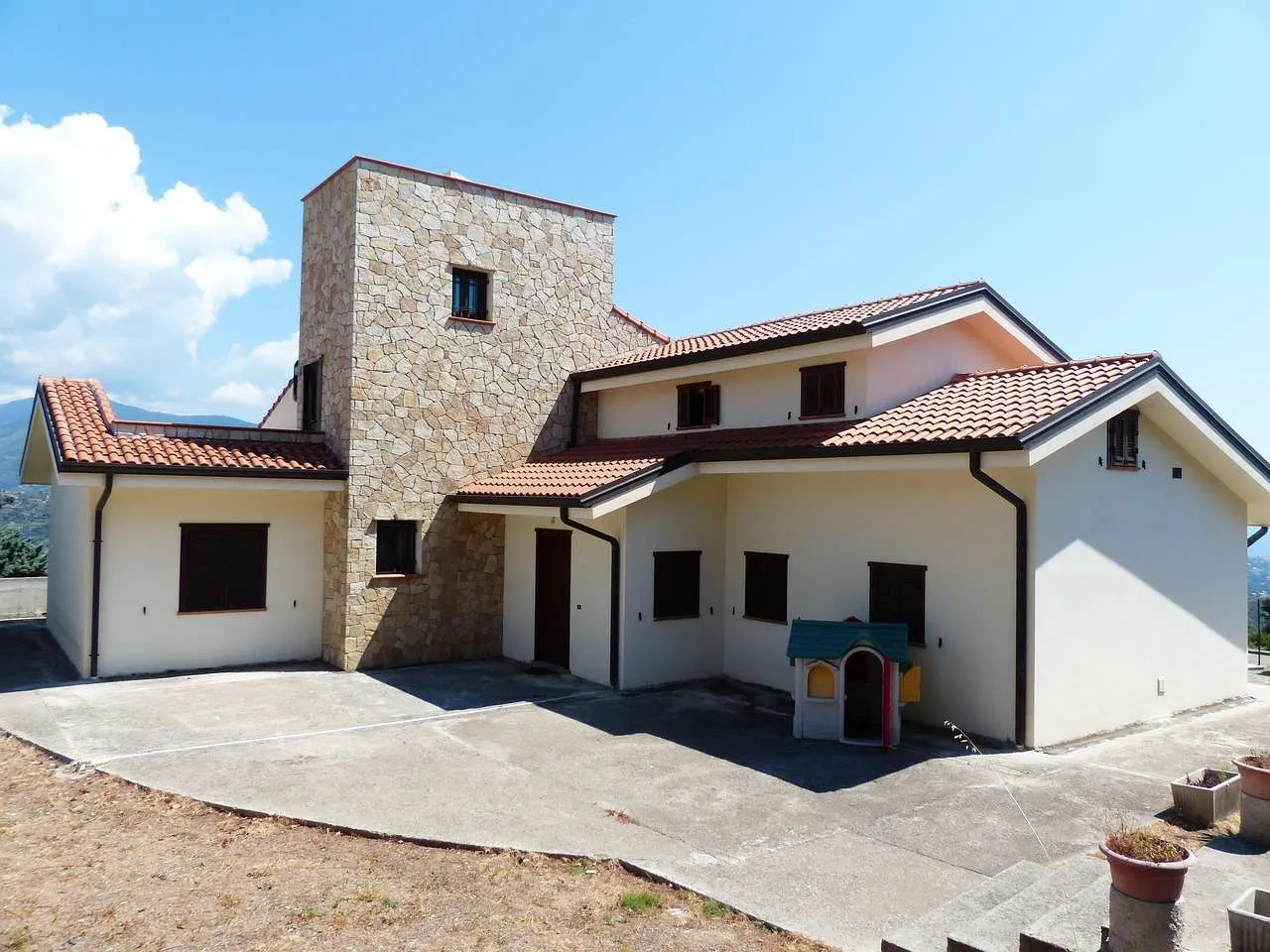
tpo roofing has become a popular choice for commercial roofs and increasingly for some residential projects due to its balance of performance, cost, and energy efficiency.
What is TPO Roofing?
Thermoplastic Olefin (TPO) is a single-ply roofing membrane made from a blend of polypropylene and ethylene-propylene rubber. It is installed as a continuous sheet that seals with heat-welded seams, creating a durable, watertight roof surface. White or light-colored membranes reflect solar radiation, reducing cooling loads in hot climates.
Benefits of TPO Roofing
- Energy efficiency through high reflectivity and thermal emissivity, lowering cooling costs.
- Cost-effectiveness relative to some alternatives, with simple installation on flat or low-slope roofs.
- Flexibility and puncture resistance suited for varied roof designs and equipment.
- Ease of maintenance: seamless surface and repair options for small punctures or seam issues.
- Repairability and recycling potential; some formulations are recyclable at the end of life.
Common Myths and Realities
- Myth: TPO is fragile in cold weather. Reality: Modern TPO formulations perform well across a wide temperature range when installed correctly.
- Myth: All TPO membranes age the same. Reality: Aging depends on thickness (40-mil, 60-mil), adhesive method, UV exposure, and workmanship.
- Myth: Seams fail often. Reality: Proper heat-welded seams and quality tapes significantly extend seam life when installed by trained crews.
How to Choose a TPO Roofing Contractor
EEAT requires selecting experienced, credentialed professionals. Look for:
- Manufacturer-approved installers or SPRI (Single-Ply Roofing Industry) certification.
- Evidence of completed projects in similar buildings and climate.
- Clear warranty terms, including membrane, workmanship, and any guarantees on fasteners and flashings.
- References and a written, detailed proposal with material specifications, thickness, and seam-welding method.
Installation Considerations
Key factors to ensure a durable install include proper substrate preparation, roof deck condition, insulation compatibility, and correct membrane thickness. Typical TPO membranes come in 40-mil and 60-mil thicknesses. The installation method—fully adhered, mechanically fastened, or ballasted—depends on roofing design, wind loads, and climate. Seam welding is essential for watertight seams, while edge flashings, penetrations, and detailing around HVAC units require precise workmanship.
Maintenance, Longevity, and Warranties
Regular inspections (twice yearly) help catch early issues: ponding water, loose flashings, or degraded edges. Keep the surface clean of debris to maintain reflectivity. Clean-up should be gentle to avoid scraping the membrane. Sealants and coatings are rarely needed, but some buildings may benefit from reflective coatings after 10-15 years to extend energy savings. Warranties typically cover material defects and installation workmanship for 10-20 years, with some manufacturers offering longer terms for high-quality installations.
Cost and Comparisons
Estimating TPO project costs depends on membrane thickness, roof size, geographic region, and labor. The table below provides a general comparison to help with budgeting.
| Material | Lifespan (typical) | Pros | Cons | Installed Cost (per sq ft) |
|---|---|---|---|---|
| TPO | 15-20 years (often 20+ with proper maintenance) | High reflectivity, cost-effective, easy to repair, heat-welded seams | Can be sensitive to improper installation; aging varies by formulation | 5.50 - 9.50 |
| EPDM | 20-30 years | Excellent durability, flexible in cold; lower material cost | Seams may require tapes or additional detailing; less reflective | 4.00 - 8.00 |
| PVC | 20-40 years | Excellent chemical resistance, highly durable, heat-welded seams | Higher material cost, environmental concerns for some specifiers | 6.00 - 12.00 |
Maintenance Tips for Long-Term Performance
To maximize the life of a TPO roof, schedule professional inspections after severe weather and ensure any ponding water is addressed. Keep roof edges clear of debris and verify flashings around penetrations annually. If you detect blisters, seam separation, or membrane cracking, contact a qualified contractor promptly to avoid expensive damage to the deck.
Conclusion, TPO roofing offers energy efficiency, cost-effectiveness, and durable seams when installed by trained professionals. Regular maintenance extends lifespan and value.
%20925-8901-9991f1c4c750?q=80&w=2070&auto=format&fit=crop)