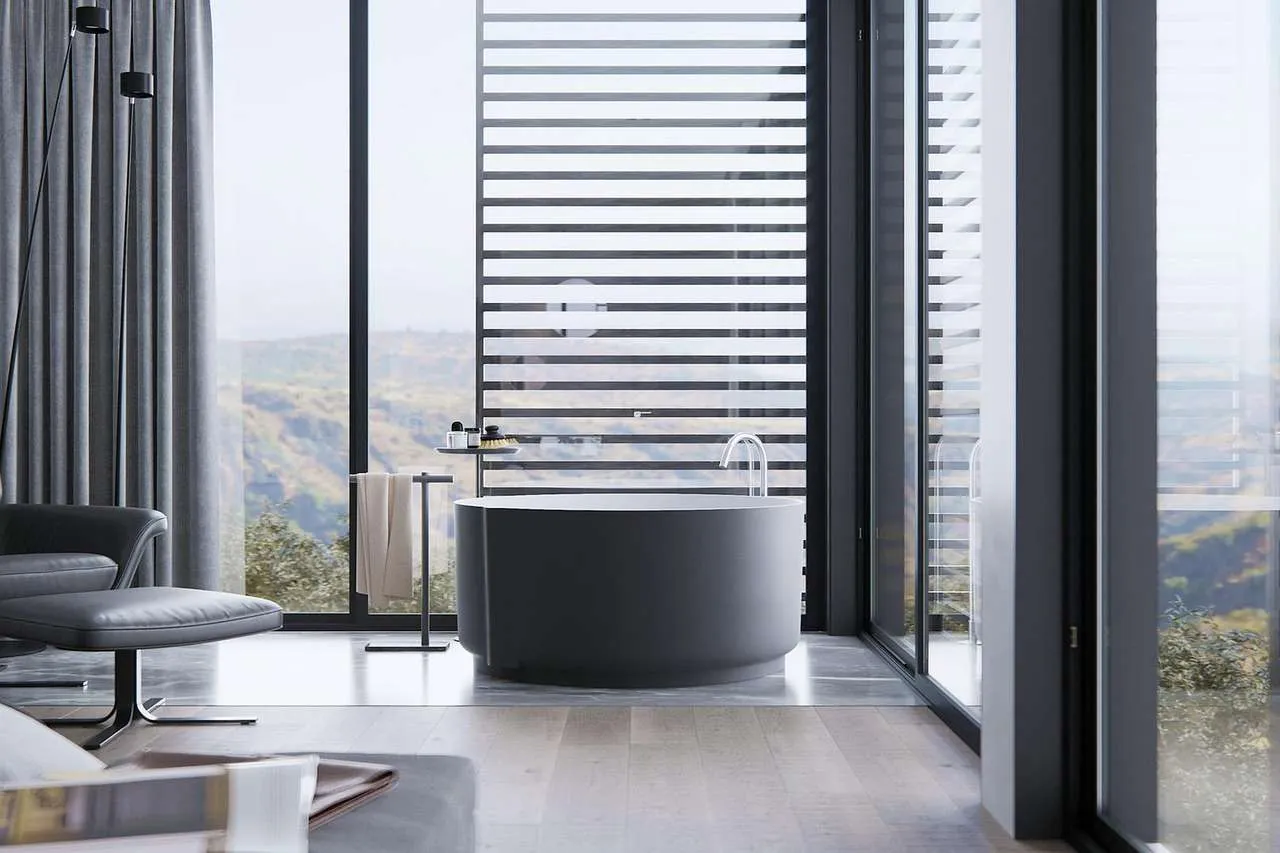
Window tint for home is a practical upgrade that can dramatically improve comfort, reduce energy use, and protect interior furnishings from UV damage. With advances in film technology, homeowners can choose options that balance aesthetics, privacy, and performance. This guide explains why tinting windows matters, the main film types, how to select the right option for your climate and home, and how to install and maintain it for long-term results.
Why window tint for home matters
Tinted windows help control heat gain and glare, which can lower air conditioning loads and create a more comfortable living space. By filtering UV rays, window tint protects carpets, artwork, and furniture from fading and helps maintain indoor color integrity. In addition, tinted films offer daytime privacy without sacrificing natural light, and some films strengthen glass against minor impacts. For many homeowners, the right tint provides a perceptible improvement in comfort and a favorable return on investment over time.
Key performance metrics to understand
When evaluating window tint options, look for performance ratings that matter most for homes:
- UV rejection: percentage of ultraviolet rays blocked (commonly up to 99% for quality films)
- Visible light transmission (VLT): how much visible light the film allows in; higher VLT means clearer views
- Solar heat gain coefficient (SHGC): the amount of heat transmitted; lower SHGC reduces cooling load
- Infrared rejection: helps cut heat from the sun in hot climates
Types of window tint for home
Different film types offer distinct benefits and trade-offs. Below is an overview to help you match your goals with the right option.
Dyed window tint
Pros: Budget-friendly, good glare reduction, enhances privacy at night. Cons: Colors can fade over time, lower heat rejection compared with advanced films. Best for: Budget upgrades where appearance and privacy are priorities.
Metalized window tint
Pros: Strong heat rejection, improved shatter resistance, modest privacy. Cons: Possible signal interference for certain devices and more visible reflectivity. Best for: Medium budgets and areas with intense sun exposure.
Ceramic window tint
Pros: Superior heat rejection, excellent UV protection, minimal interference with electronics, maintains clear views. Cons: Higher upfront cost. Best for: High-performance homes wanting the best energy savings and durability.
Carbon window tint
Pros: Good heat control, non-reflective appearance, durable and fade-resistant. Cons: Higher cost than basic dyed films. Best for: Homes that want a matte finish and effective glare reduction without mirror-like reflections.
How to choose the right tint for your home
Consider climate, window orientation, and your goals. If your primary concern is cooling and comfort, prioritize films with strong SHGC and infrared rejection. For privacy or aesthetics, choose films with appropriate VLT and opacity. Local regulations may limit the darkness of tint on street-facing windows or require specific approval for reflective films. Work with a certified installer who can measure window sizes, evaluate existing glazing, and explain warranty terms. Always request a sample or test patch to see how the film looks during different times of day.
DIY vs professional installation
DIY tinting is possible for some windows, but professional installation is generally recommended for homes. Pros bring precise cutting, edge sealing, and bubble-free application, which preserves appearance and warranty. They also help ensure the film adheres evenly on mixed glass types and around frames or curved panes. If you choose DIY, follow clean-room preparation, use recommended cleaners, and carefully follow the film manufacturer’s installation instructions to minimize creases and peeling.
Maintenance and care
Maintain tint integrity with gentle cleaning. Use soft cloths or microfiber and non-ammonia cleaners to avoid damage to the film. Avoid abrasive scrubbing and sharp tools that can scratch the surface. Periodically inspect edges for lifting and bubbles; professional resealing or reapplication is common after several years, depending on climate and film quality. Routine maintenance helps preserve UV protection and color stability over time.
Energy savings and ROI considerations
Window tint for home can contribute to noticeable energy savings, especially in hot climates or sunlit rooms. Typical cooling savings range from 5 to 15 percent annually, with higher impact in rooms that receive direct sun for long periods. In addition to reducing cooling costs, tinted windows help protect interior furnishings from fading and reduce glare on screens and work areas. While premium films have higher upfront costs, their longer lifespan and greater energy benefits often translate to a favorable lifetime ROI, particularly when paired with energy-efficient windows and proper installation.
Comparison of popular window tint types
| Type | Pros | Cons | Best For | Typical cost per sq ft |
|---|---|---|---|---|
| Dyed | Low cost; good privacy | Color may fade; moderate heat rejection | Budget upgrades and privacy | 5-8 |
| Metalized | Strong heat rejection; durable | Possible device interference; more visible | Sun-heavy rooms with electronics | 6-9 |
| Ceramic | Best heat rejection; minimal glare; radio-friendly | Higher upfront cost | High-performance homes | 8-15 |
| Carbon | Non-reflective finish; good UV control | Moderate price | Modern aesthetics and glare control | 9-15 |
What to ask a window tint installer
When interviewing installers, request product specifications, warranty terms, and a demonstration of installation techniques. Confirm the film is designed for your window type (single, double, or triple-pane) and whether it carries a warranty against peeling, bubbling, or discoloration. Ask about post-install care recommendations and whether the installer can provide a heat-loss/heat-gain estimate specific to your home.
Conclusion, window tint for home delivers energy savings, UV protection, glare reduction, and privacy. By selecting the right type, ensuring professional installation when appropriate, and following maintenance guidelines, homeowners can enjoy lasting comfort and a solid return on investment.
%20925-8901-9991f1c4c750?q=80&w=2070&auto=format&fit=crop)